Nike
Designing Nike Experiences
By Arjen Duits • 2022
Responsibilities
Research
Stakeholder management
Co-creation workshops
Opportunity framing
Prototyping
User testing
Product design
Design system delivery
Team
Engineer Lead
Frond-End Engineer
Back-End Engineer
Design manager Nike
Design manager AKQA
Marketing EMEA & US
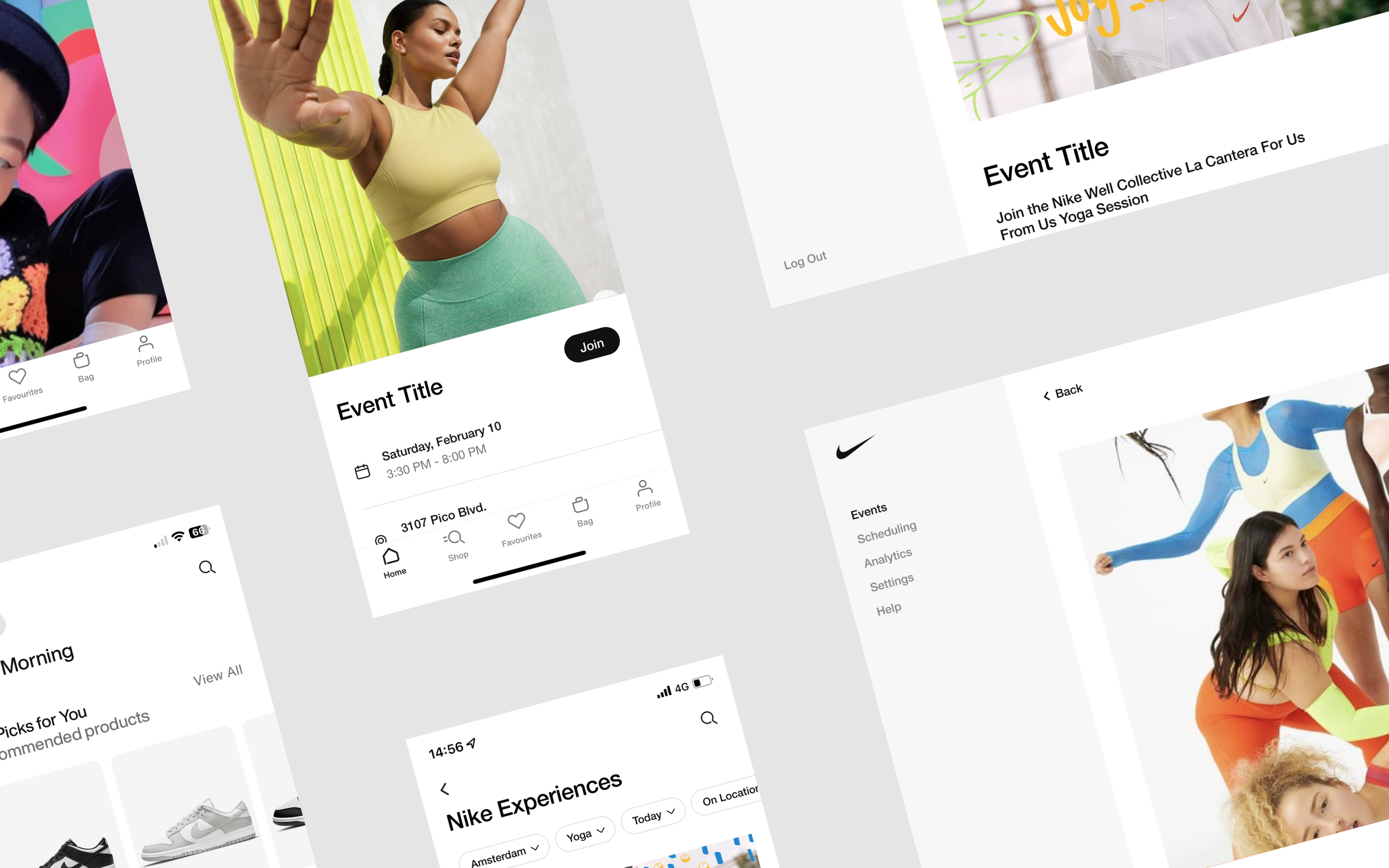
In 2022 the Nike Experiences team asked me to help design a unified event management platform. One side for the event managers who set up and run events, one side for customers to discover and join them on Nike.com and in the app. I worked closely with a Nike Director and global stakeholders, from concept through to delivery.
00.
The goal
Nike Experiences was one of the most valuable parts of Nike's membership, but its potential was largely untapped. The programme had three objectives: grow sport participation, attract new and existing members into the ecosystem, and keep them there over time. The headline target we designed toward was clear and ambitious: 20% of members taking part in a Nike Experience by the end of 2025.
01.
Research
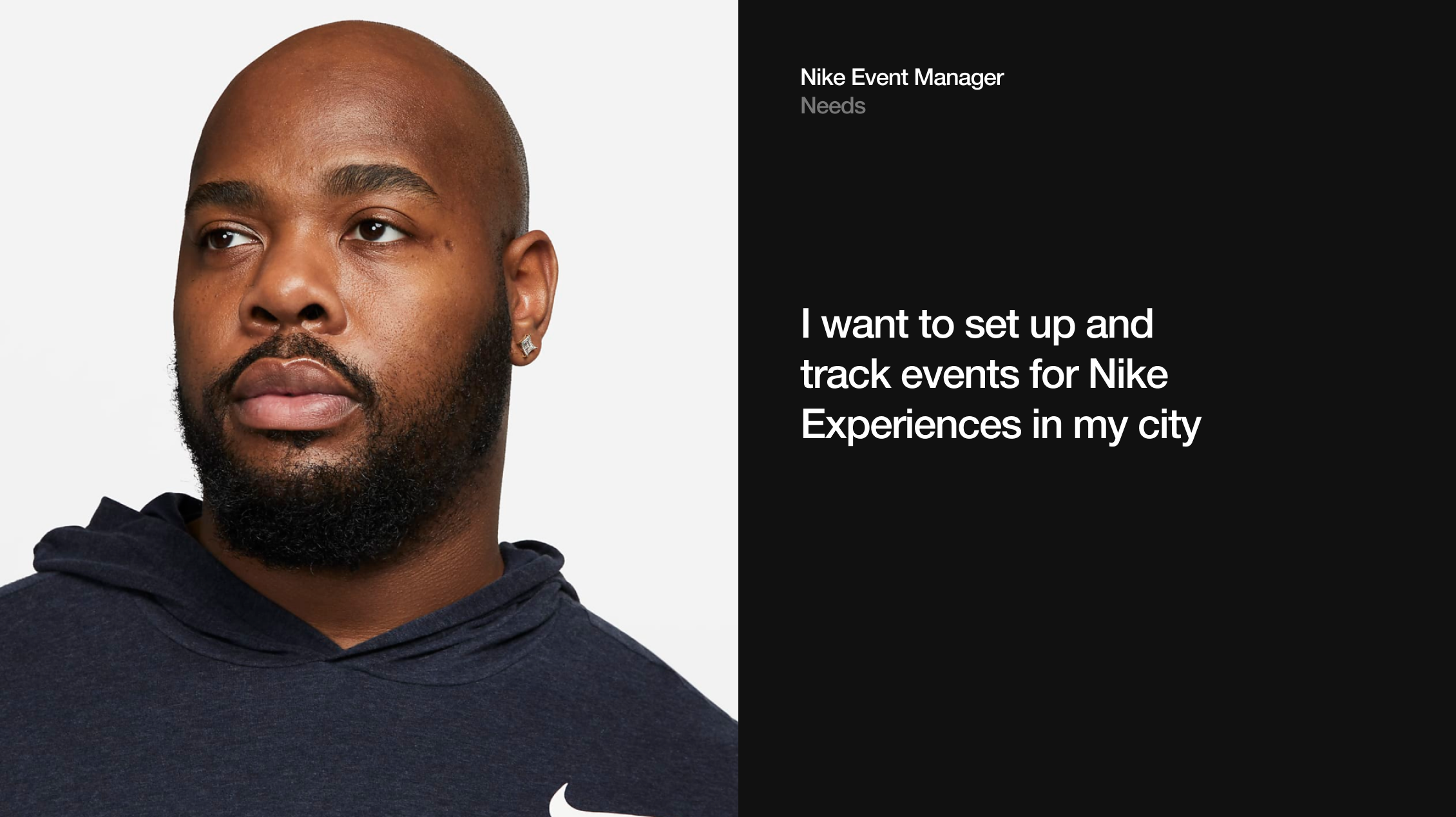
During the research phase we applied quantitive and qualitative research. We identified all stakeholders involved who were spread out across AMEA, US and Asia regions. Interviews were set up in different time zones. Most of the stakeholders were event managers, part of the global marketing teams, responsible for setting up and managing events for Nike Experiences.
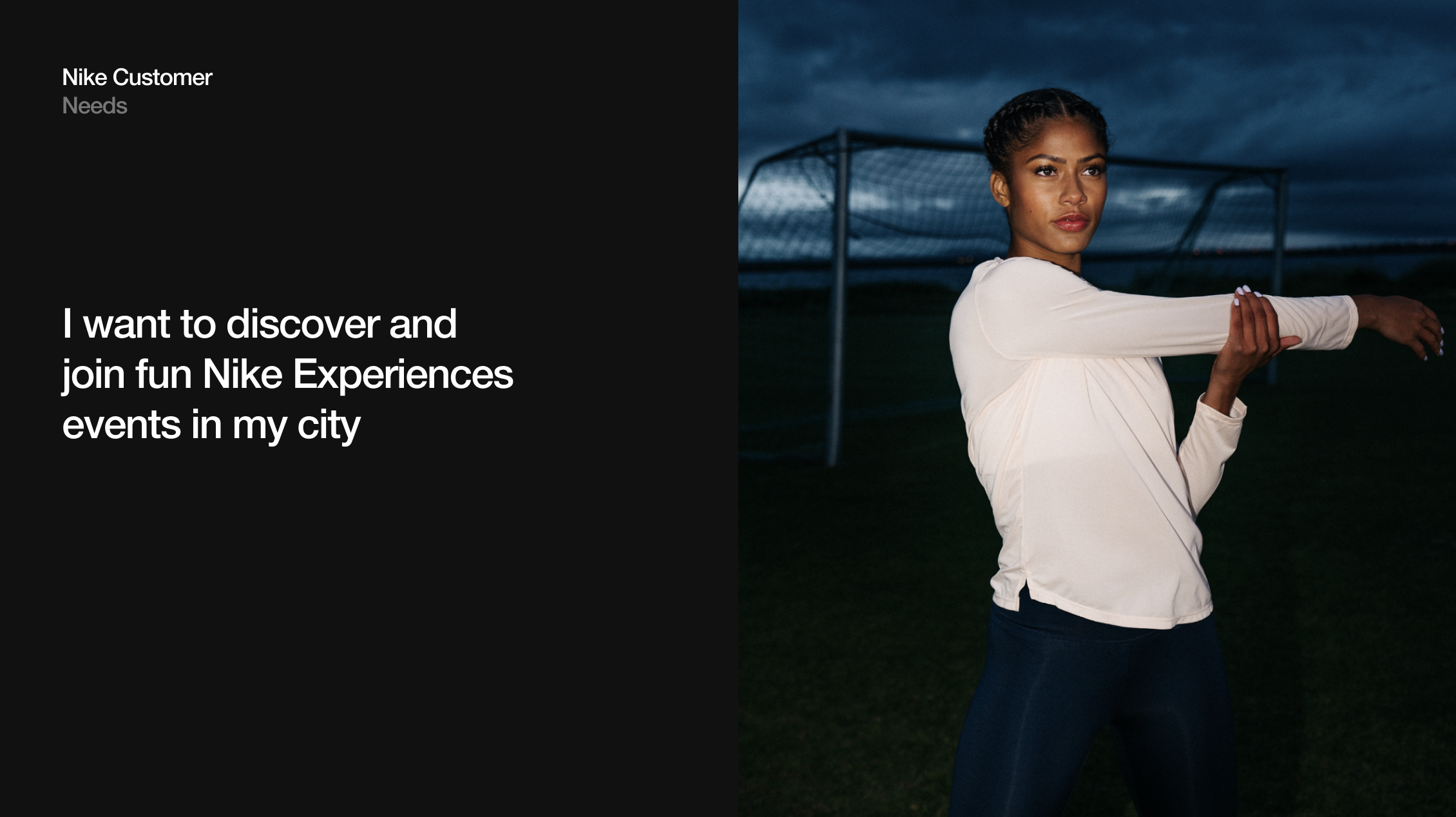
We interviewed Nike customers who were interested in going those events. Because we were in the early stages of setting up Nike Experiences, we decided to focus on a selection of key cities in the EMEA, US and Asia regions. New York, London, Paris, Berlin, Beijing and Tokyo.
Journey Mapping
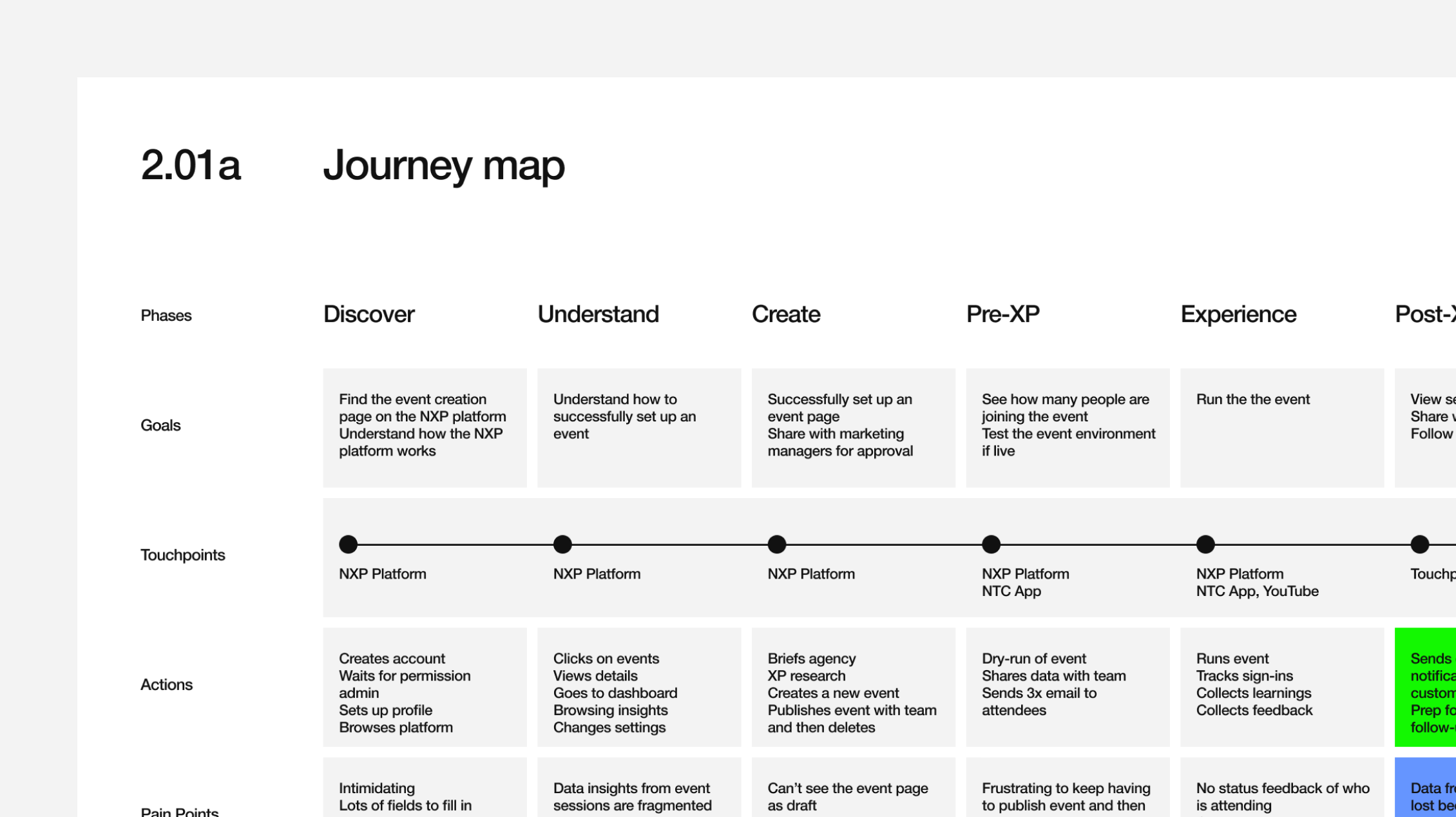
After conducting numerous interviews and observations, we developed a comprehensive and detailed experience map for both employees and customers, capturing the entirety of their online and offline interactions.
02.
Insights &
Opportunities
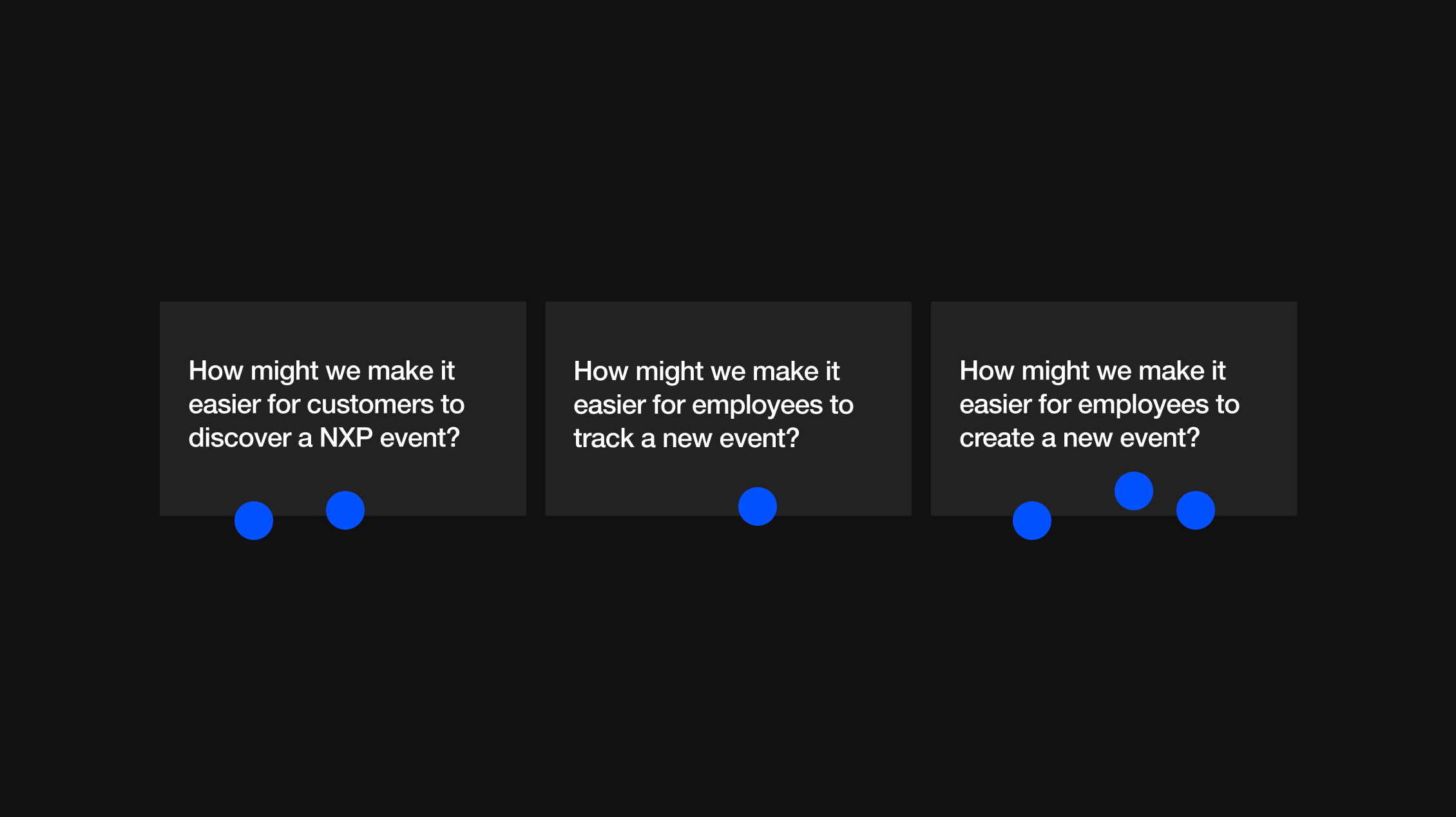
After identifying challenges in event setup for Nike employees and customers, the crucial next step was translating the research into insightful opportunity statements. A major opportunity emerged for Nike employees tasked with organizing events.
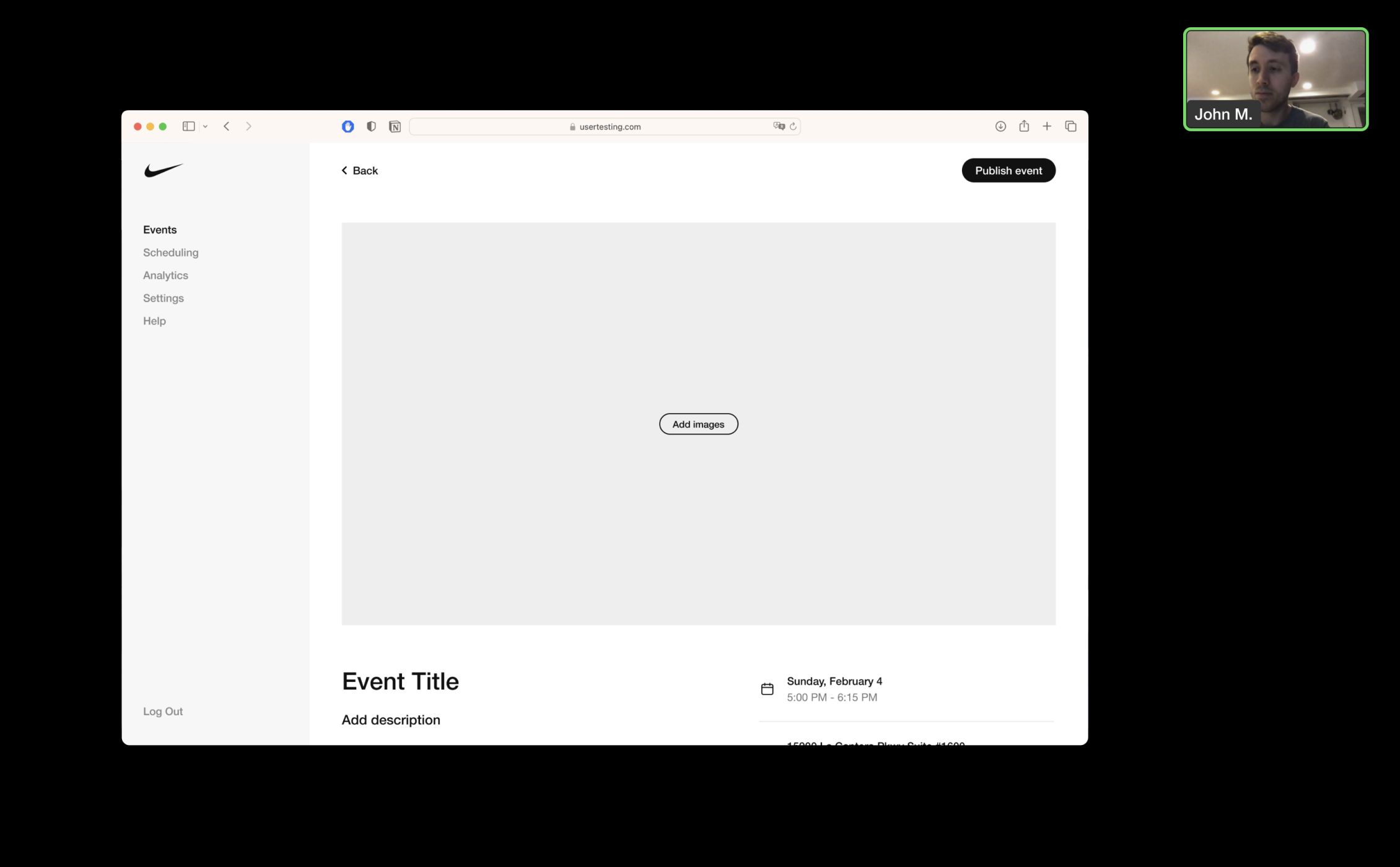
The current process involved completing a cumbersome form with dysfunctional features and intricate dependencies. Additionally, managers couldn't preview the final event page before going live. The system's complexity presented a significant hurdle, making the transformation into a user-friendly tool for managers a daunting task.
Our focus was on addressing this pain point, anticipating it to have a significant impact on both managers and customers.
03.
Solutions
Taking the lead in the design process, I orchestrated collaborative sessions with stakeholders to co-create conceptual solutions addressing various opportunities.
Despite early ideas surfacing, we deliberately kept the scope broad, exploring numerous proposals across key moments. From this exploration, we narrowed down a set of promising concepts, with a primary focus on testing a simplified and holistic approach for managers to set up, run, and track events.
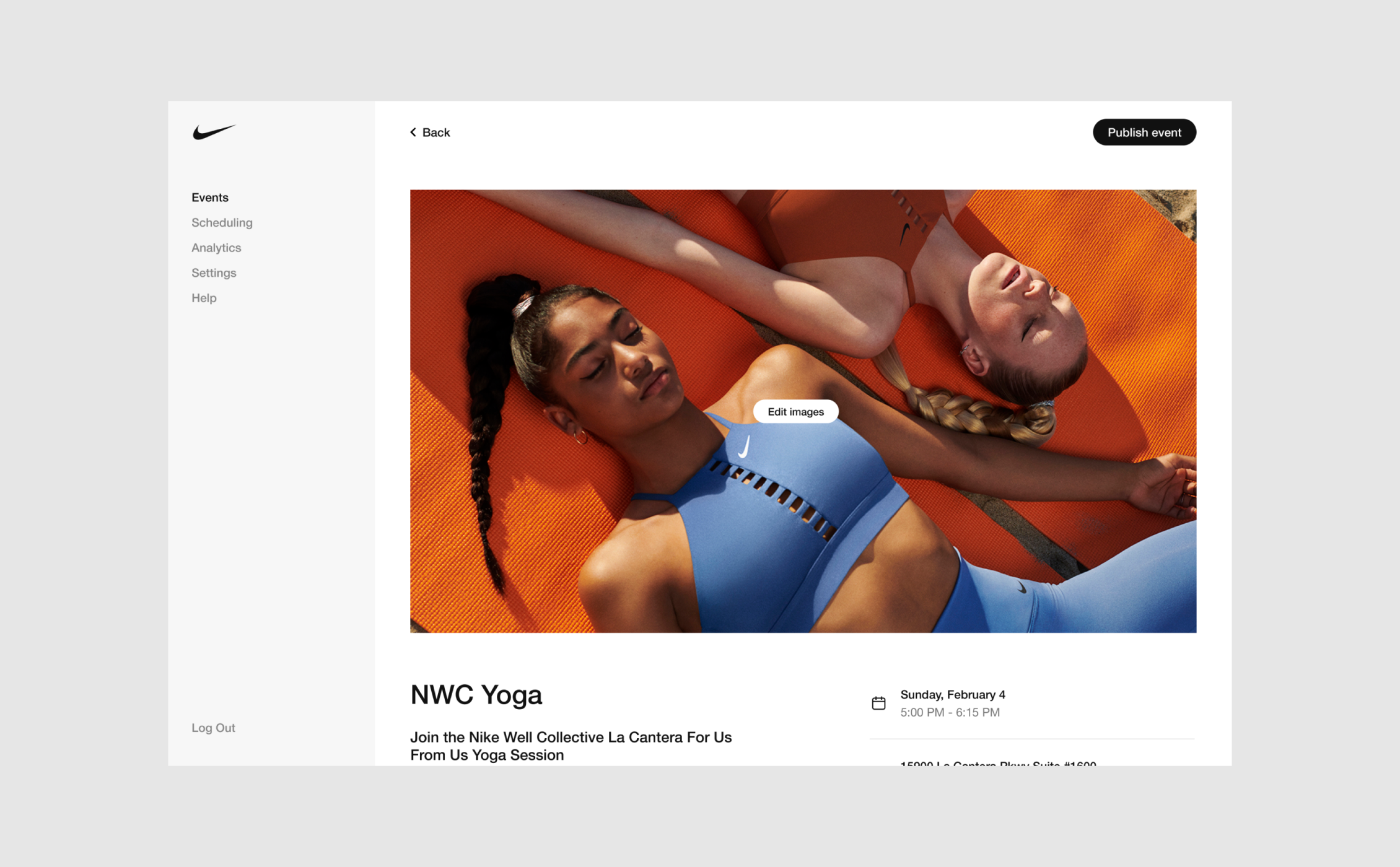
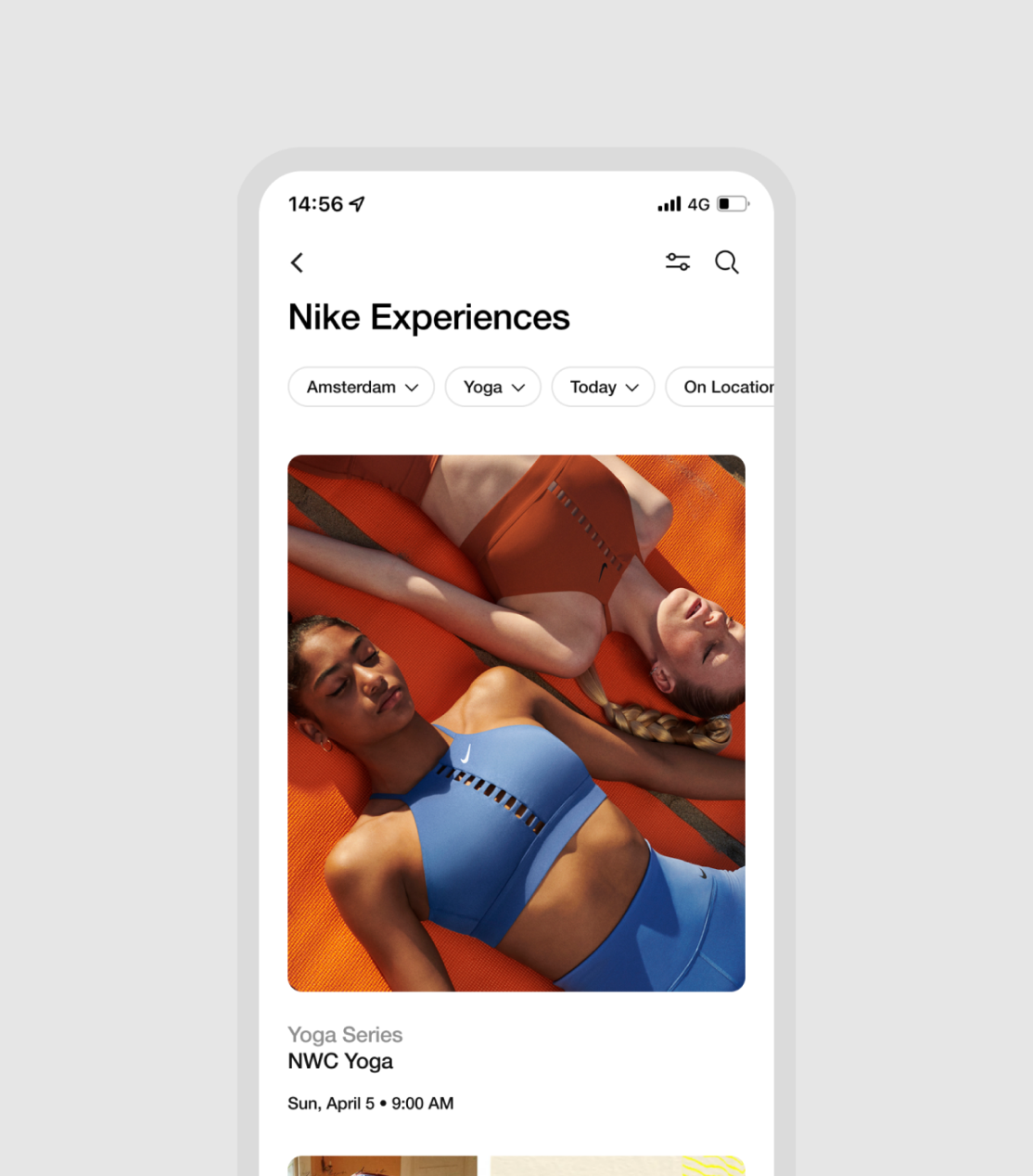
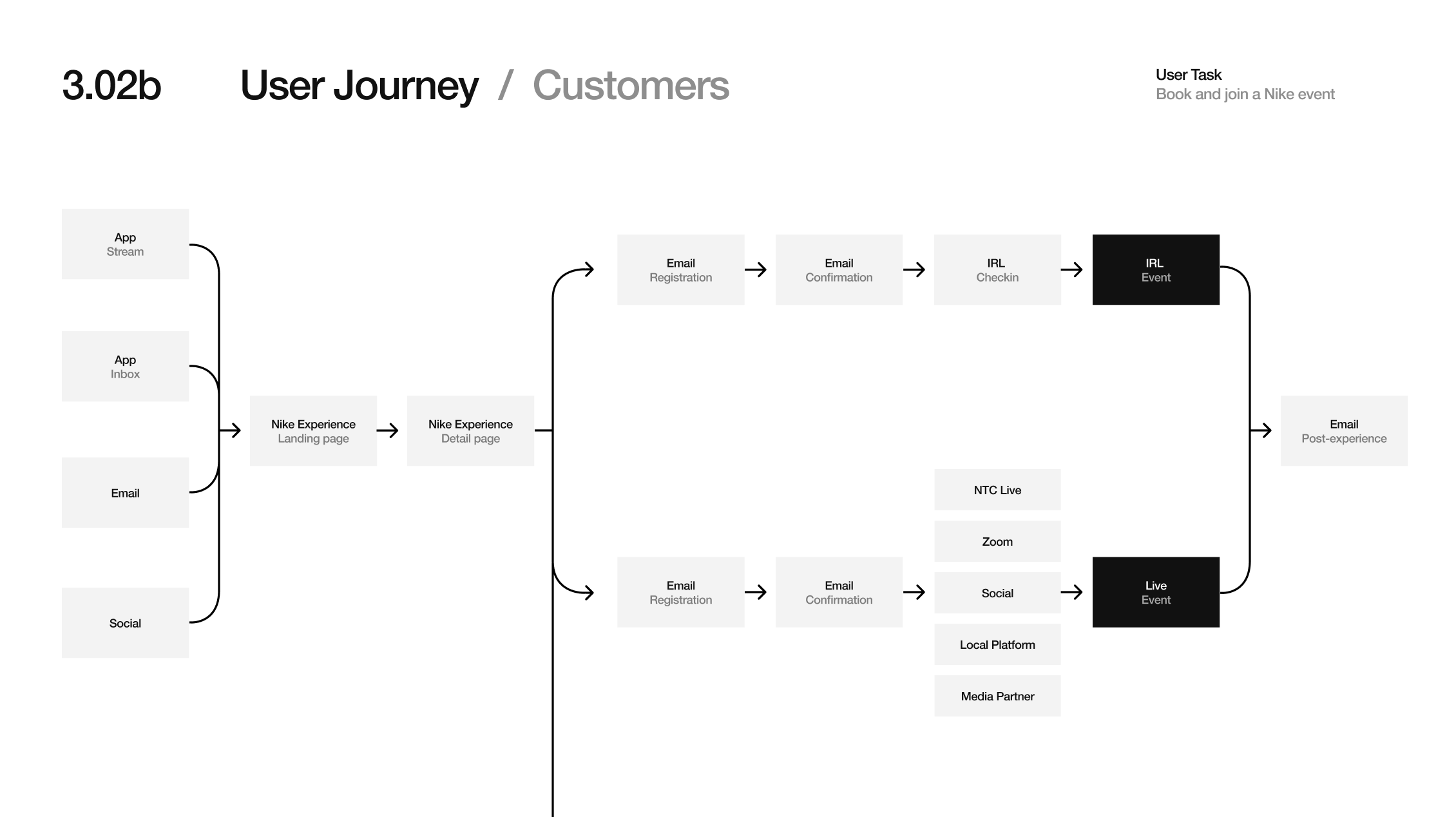
I developed user journeys and flows as foundation to low-fidelity prototypes. Prototypes were designed to streamline event setup, management, and post-event insights through an integrated dashboard consolidating previously disparate data. Additionally, we crafted seamless customer experiences for discovering, reserving, and participating in online and offline events.
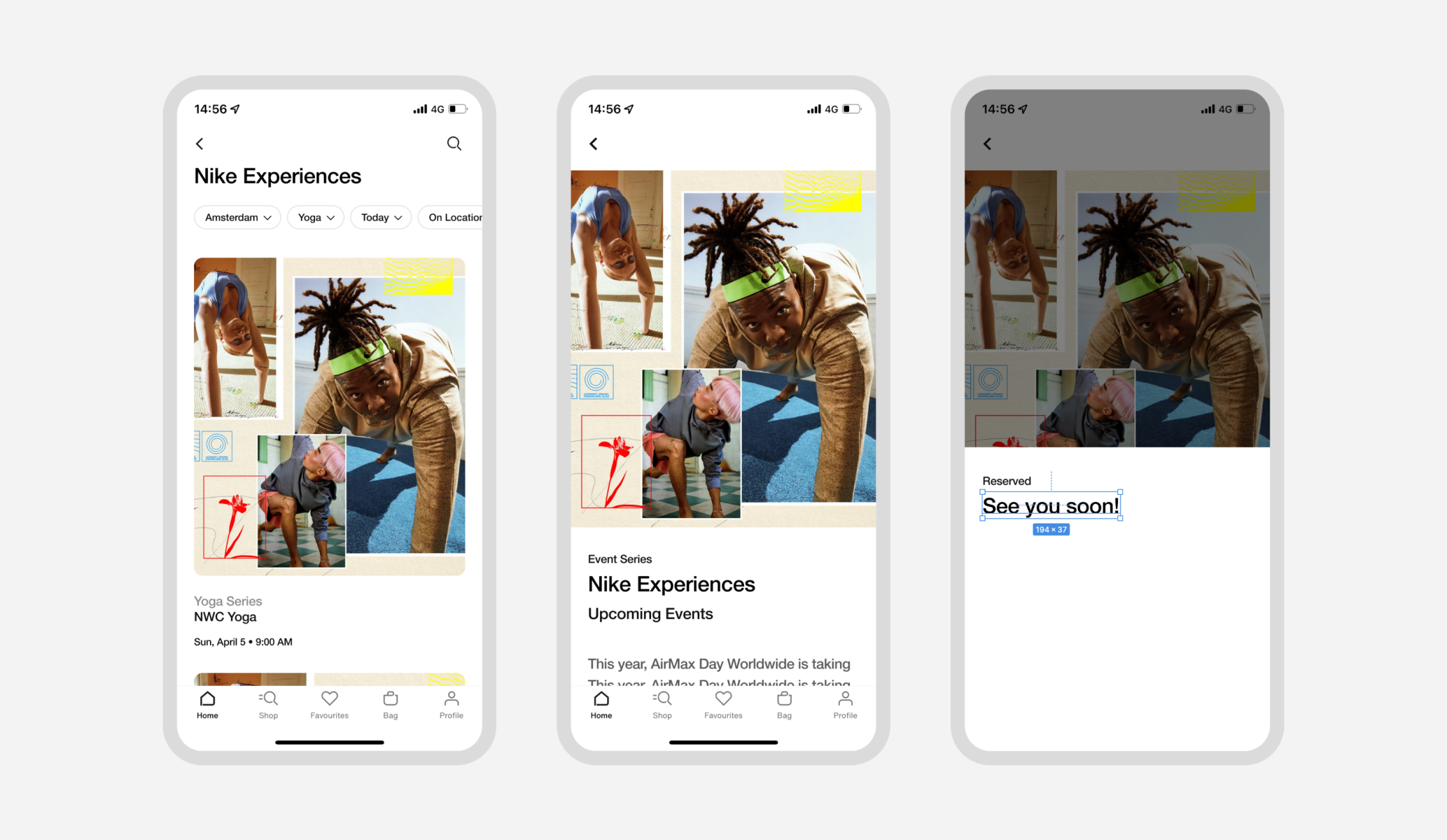
Trying out lots of different solutions in a quick and iterative way.